Modernizing SOA with APIs
This post was originally published as “Modernizing SOA with APIs” on the Levvel Blog.
SOA Specs Visualized
In a previous blog post, I listed a number of SOA Specs and Security Specs that I thought were important to be familiar with when working with DataPower and other SOA technologies. In this post, I made a quick (and dirty) Visio diagram that I tend to draw up on a whiteboard when I’m at a new client…
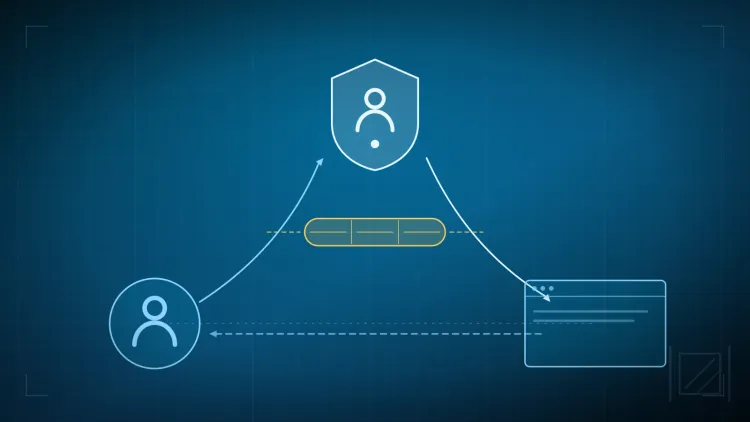
JBoss/PicketLink WS-Trust Client and Third-Party Security Token Services
Another use-case that I touched on during my JBoss World 2012 presentation was using the PicketLink WS-Trust Client implementation to communicate with third-party Security Token Services. In particular, we discussed how the PicketLink SAML2STSIssuingLoginModule can communicate with the IBM Tivoli…
Thomas Erl’s SOA Book Series
I listed several of Thomas Erl’s books in my SOA Recommended reading list. A full list of Thomas Erl’s series of SOA books can be found here. Anyone working in the SOA space, regardless of vendor or technology stack, should read these books.
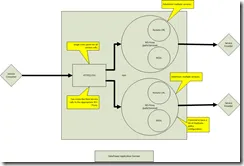
Three Internal Architectures—Designs for DataPower Deployments
I have been in several different shops that are either deploying DataPower or are a few years after deploying DataPower. I’ve also had opportunities to talk to numerous different DataPower technical resources about how they have utilized DataPower. In the post, I want to describe what I’ve seen as…
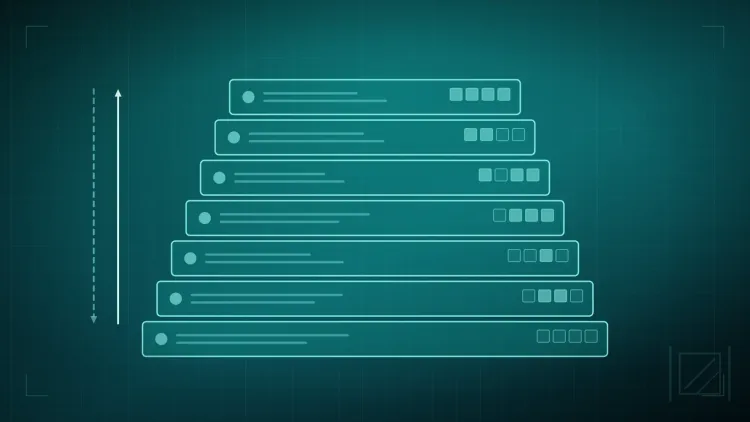
OSI 7-Layer Network Model
I’ve been playing with Cisco switches and routers recently at home to get a handle on VLANs-more about VLANs later. Some people I know who have gotten involved in DataPower started out in system administration or networking and worked their way up the technology stack to SOA Appliances (WebSphere…
IBM Impact 2012 Client Panel: Experiences with IBM SOA Stack Rollout
I will be leading a discussion panel at IBM Impact 2012 in Las Vegas on Monday, April 30th, 3:45-4pm. More information can be found here. It will be an open ended discussion and Q&A session detailing experiences rolling out IBM technology for an ESB. I’ve done this at a couple of different…
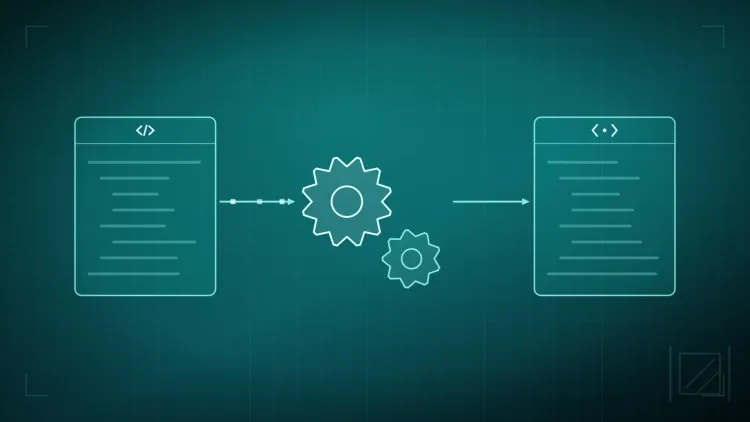
Protocol Transformations
Previously, I wrote a Wire Protocols post that outlined the common protocols that I’ve encountered when working with ESBs and SOA technology-especially DataPower. A primary function of an ESB is to provide the ability to convert service requests between these different protocols in a mostly…
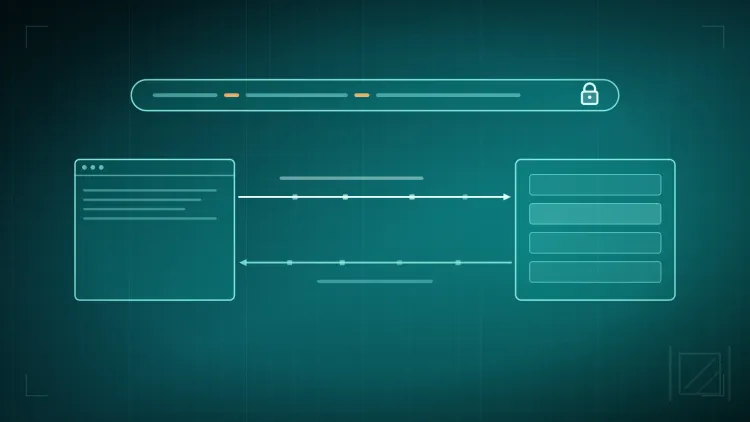
What is a Web Service? What is a Service?
I have watched this debate unfold at every client site I have visited in the past few years. There are several angles to this question. From a technical stand point, a service is a program that takes some type of input, performs a task, and return some type of output. This is vague. It can describe…
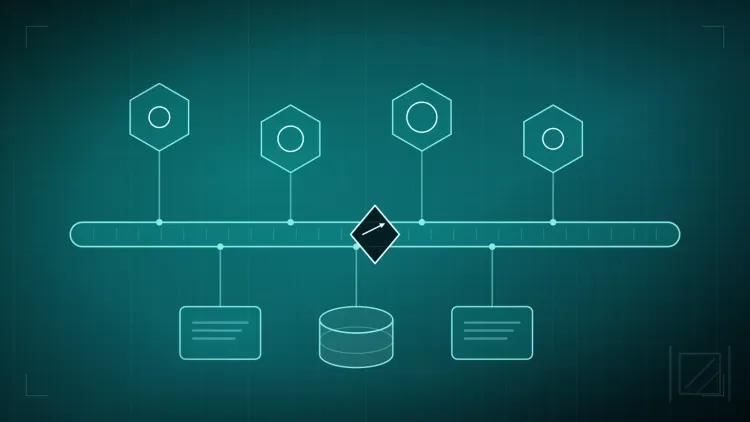
Service Mediation vs. Service Orchestration
I’ve wanted to define this term for a while, but, someone beat me to it several years ago. I generally agree with what these guys have to say. These terms are still in use today at client sites where DataPower and the IBM SOA stack is being deployed. Service Mediation logic is the application of…
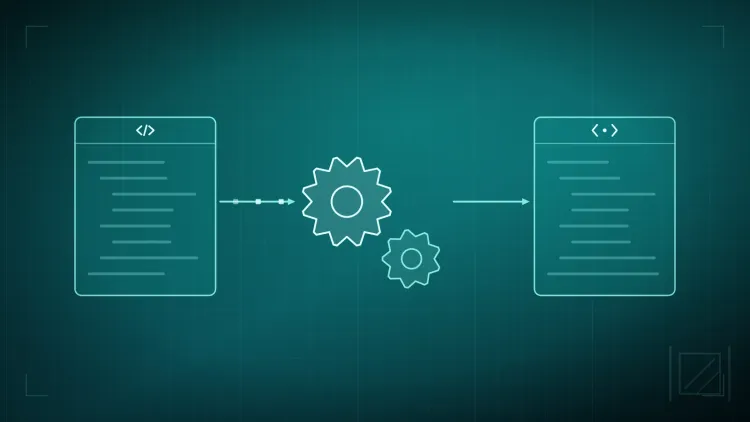
Data Transformations
In a previous post, I described the different types of Data Formats that are commonly used with ESBs, XML Gateways, and SOA. Converting from one format to another is a common task performed by an ESB or XML Gateway. One can make arguments either way about whether this functionality should exist in…
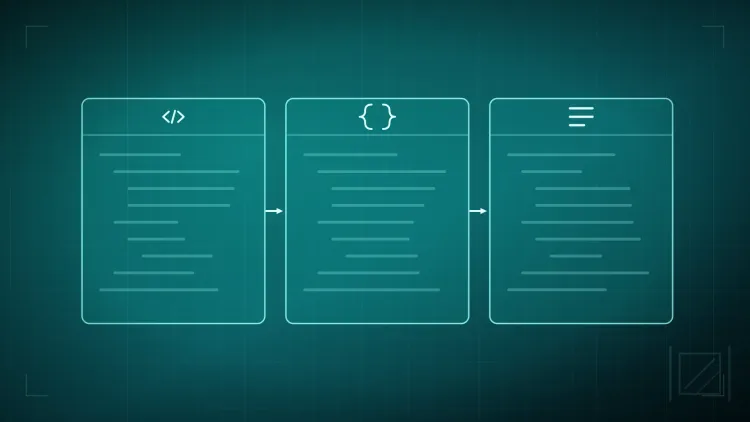
Data Formats
To follow up on the Wire Protocol post, the next logical step in our SOA exploration is Data Formats. A web service message’s Data Format describes how the data is organized in the message.