
Nissan LEAF, API Security, Who Owns API Security, and How Much Security Is Enough?
This post was originally published as “Nissan LEAF, API Security, Who Owns API Security, and How Much Security Is Enough?” on the Levvel Blog.
XML Editor…
I was asked recently what XML, XSD and XSLT editor I use. Given that I am an independent/small consulting firm owner, spending $1000s of dollars on development tooling that will come out of my own pocket is not my first choice.
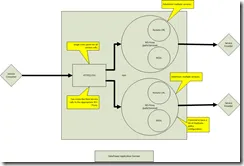
Datapower SOMA Calls
The primary administration automation mechanism on IBM WebSphere DataPower appliances is the XML Management Interface. The XMI interface allows one to make SOMA (SOAP Configuration Management, assuming SOMA = SOap MAnagement) calls to perform various administration tasks. How to perform these…
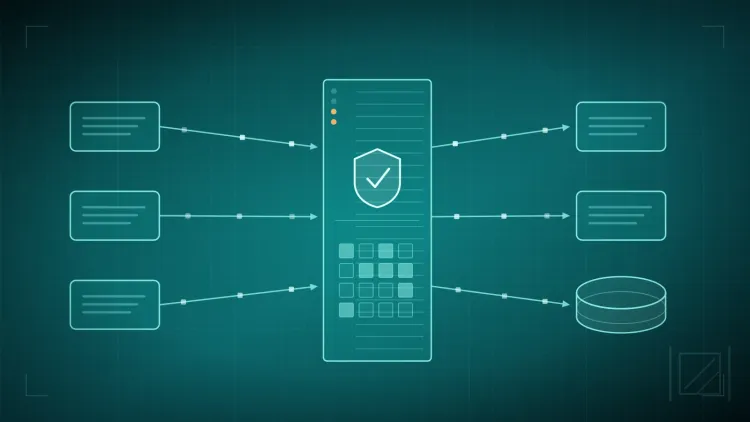
How To Rename a WS-Proxy or Multi-Protocol Gateway Object on a DataPower Appliance
Anyone who has worked with DataPower for a while has gotten into a situation where they need to rename a service object (XML Firewall, WS-Proxy, Multi-Protocol Gateway, etc). There isn’t a rename button that I have ever found. This tutorial will describe two ways of renaming such objects.
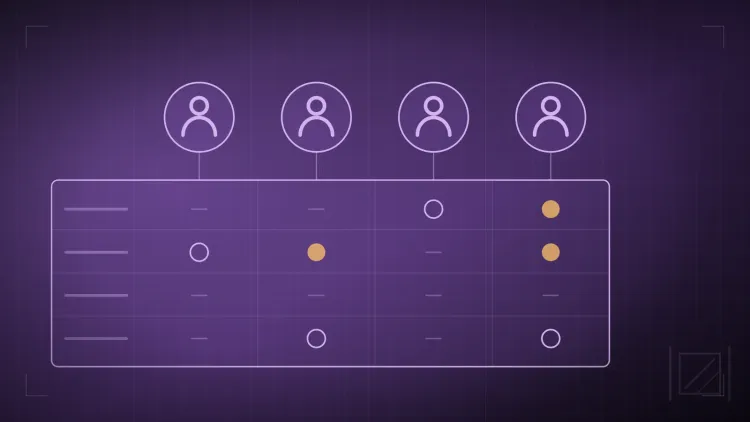
Who Owns DataPower Within An Organization?
The definition of the word ownership has varying meanings across organizations, but there is always a group that retains control of the technology. It’s typically the group that sponsored the adoption of the technology and owns day-to-day support of it. But, sometimes, the technology initiative…
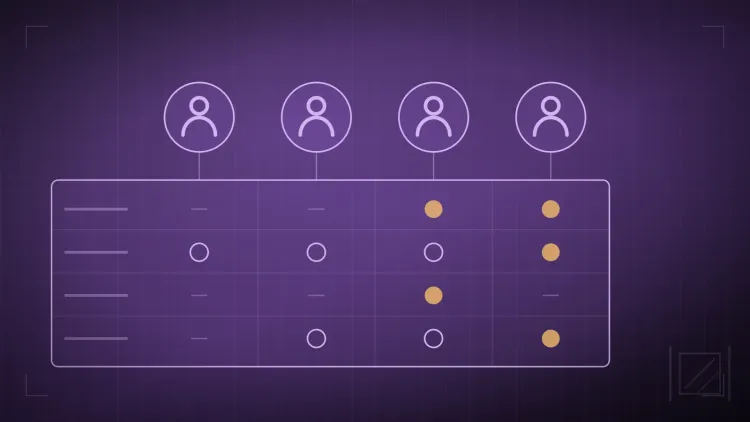
WebSphere DataPower Roles and Responsibilities…
DataPower is a weird (but, wonderful) beast. It has a tendency to break some of the traditional IT silos that develop within infrastructure groups. That can lead to a lot of friction and amusing arguments in which everyone is simply talking past one another. In this post, I want to describe the…
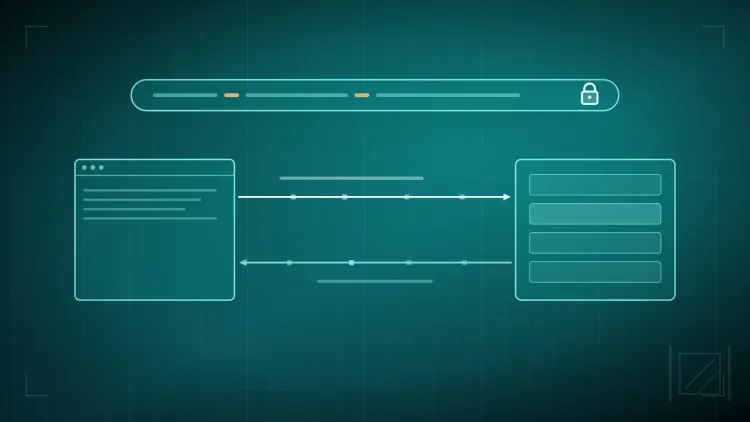
Java Networking API vs. The C library networking API
The original article is located here. In this article, I described what was involved in writing a server program in the C language. The details are not important, but I wanted to compare the details that are exposed in this relatively simple C network programming example with the equivalent Java…