Blog
Articles, tutorials, and field notes on identity, integration, API management, and application security — spanning nearly two decades of hands-on work.
Articles, tutorials, and field notes on identity, integration, API management, and application security — spanning nearly two decades of hands-on work.
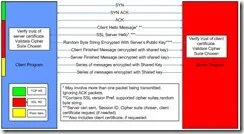
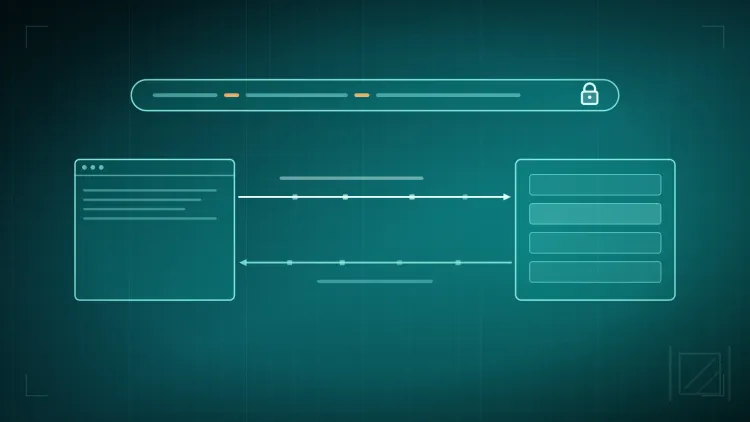
This is an old picture that I made for a 2010 JBoss World security presentation. It came in handy not so long ago when I was explaining the SSL Handshake to someone.
I will be leading a discussion panel at IBM Impact 2012 in Las Vegas on Monday, April 30th, 3:45-4pm. More information can be found here. It will be an open ended discussion and Q&A session detailing experiences rolling out IBM technology for an ESB. I’ve done this at a couple of different…
Anyone who has spent time working with DataPower has had to write an XSLT stylesheet at some point. DataPower provides a library of functions and elements that provide access to various DataPower functionality.
XSLT is the only scripting language supported by WebSphere DataPower appliances. It is the only way to customize DataPower functionality and behavior. So, anyone that works with DataPower for a while will sooner be writing XSLT stylesheets.
I often have to go back and look up these details; so, I decided to post a standard starting point for a new stylesheet.
Previously, I wrote a Wire Protocols post that outlined the common protocols that I’ve encountered when working with ESBs and SOA technology-especially DataPower. A primary function of an ESB is to provide the ability to convert service requests between these different protocols in a mostly…
I have watched this debate unfold at every client site I have visited in the past few years. There are several angles to this question. From a technical stand point, a service is a program that takes some type of input, performs a task, and return some type of output. This is vague. It can describe…
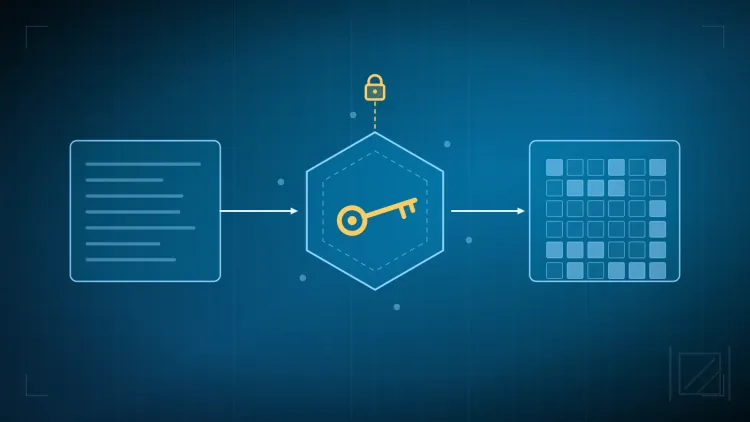
DataPower does not seem to provide a tool to generate a Shared Key that can be used with 3DES or AES algorithms. DataPower does provide a tool for generating X509 private keys, certificate requests, and self-signed certificates-in the Crypto Tools section-but we are concerned with Shared Keys…
I’ve wanted to define this term for a while, but, someone beat me to it several years ago. I generally agree with what these guys have to say. These terms are still in use today at client sites where DataPower and the IBM SOA stack is being deployed. Service Mediation logic is the application of…
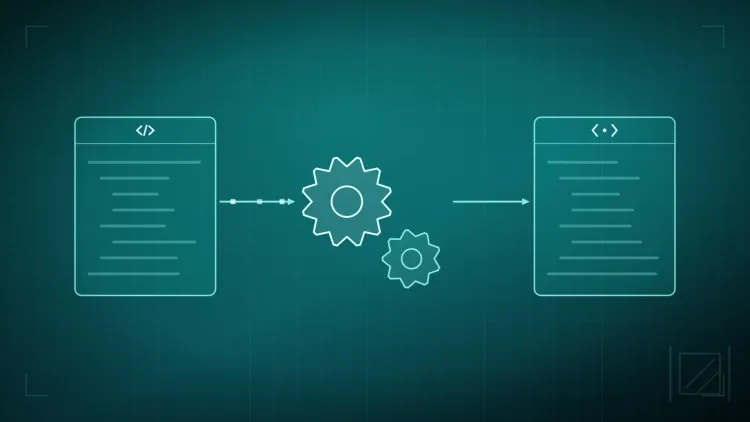
In a previous post, I described the different types of Data Formats that are commonly used with ESBs, XML Gateways, and SOA. Converting from one format to another is a common task performed by an ESB or XML Gateway. One can make arguments either way about whether this functionality should exist in…
To follow up on the Wire Protocol post, the next logical step in our SOA exploration is Data Formats. A web service message’s Data Format describes how the data is organized in the message.