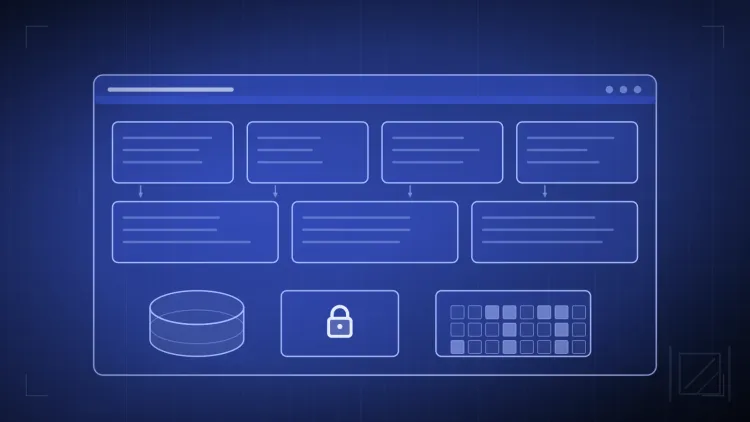
J2EE Security
The article continues the series discussing J2EE Security and its related concepts. The following brings together the numerous concepts discussed in the past articles.
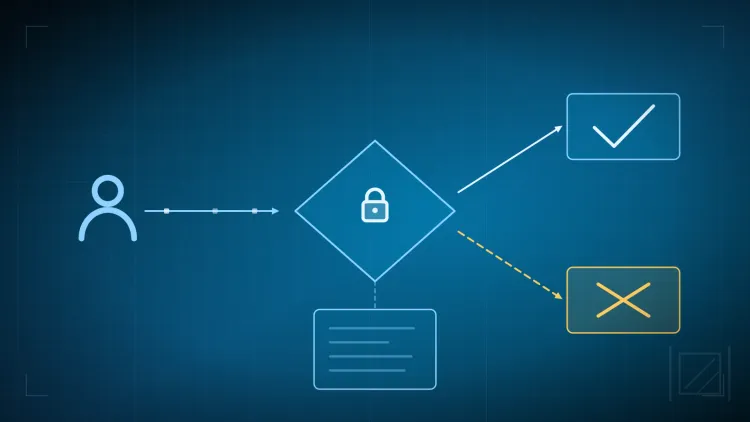
Role Mapping & J2EE Security
The discussion of J2EE Security on the JBoss Application Server continues as Role Mapping is introduced.
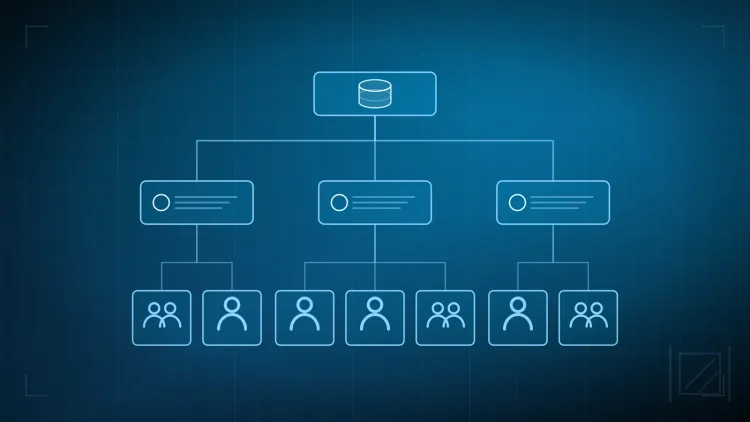
Using OpenLdap as a User Repository with JBoss 4.3.x
This article continues our discussion of setting up J2EE Security in a JBoss 4.3.x container. In the last article, we completed the setup of an OpenLdap database that can be used as a User Repository.
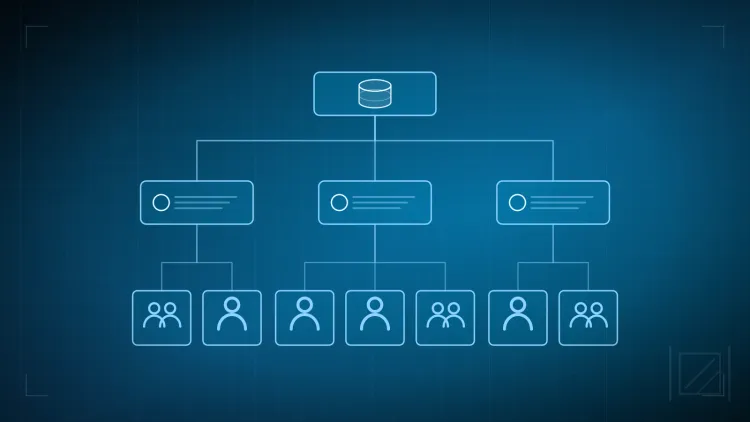
Adding Groups To OpenLdap
This article describes how to setup an OpenLdap server and add inetperson user objects. However, the article didn’t describe how to add groups to OpenLdap and add users to the groups.

Google Browser Security Handbook
Google has released a Browser Security Handbook online. It can be found here.
Dumping the contents of a JAAS Subject
In the last article, JAAS was introduced. An authenticated calling-entity (perhaps a user), has a JAAS Subject. This JAAS Subject contains some combination of Principals, Public Credentials, and Private Credentials. It can be very helpful to dump the contents of this JAAS Subject for debugging…
JAAS Authentication — An Introduction
This article introduces JAAS authentication via a relatively simple example. The example presented here is based upon the Sun tutorial of the same subject. The thinkmiddleware.com example extends the tutorial to use LDAP to authenticate users.
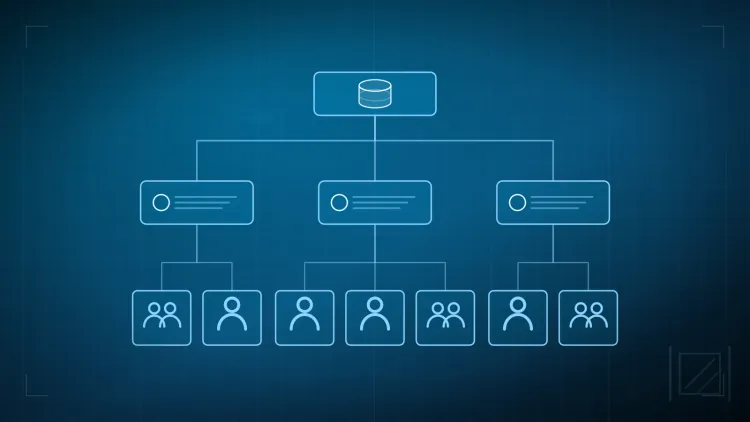
An Openldap Directory Server
The recent JNDI article and an upcoming JAAS article require an LDAP server. This tutorial will walk through the basic details of reproducing the Openldap Server used in these two articles.
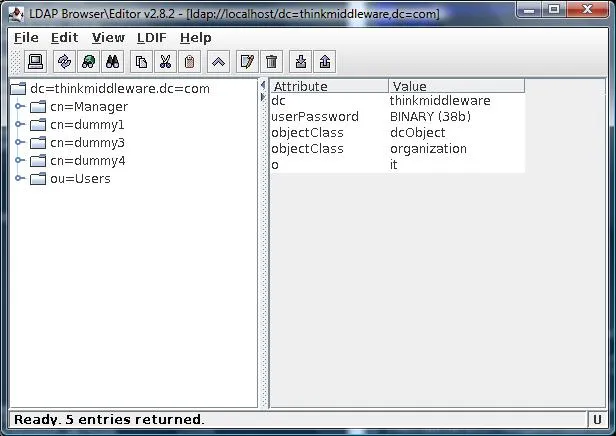
JNDI — Java Naming & Directory Interface
While researching an upcoming JAAS article, the decision was made to use JNDI to interact with the Openldap server that was stored user information. JNDI is used extensively in the J2EE landscape; so, exploring JNDI separately from JAAS seemed in order.
Ant — Build Control
I’ve mentioned that for larger projects/examples on thinkmiddleware.com, Ant would be used. The Java Security Manager article was the first time it was used. Although, the full details of the source code were not included, Ant was used.
The Java Security Manager
In the last post, the Java Standard Edition and Java Enterprise Edition security features were introduced. This is the second in a series of articles that introduces each Java security feature in depth. This article introduces the Java Security Manager and the sandbox it creates for a Java…
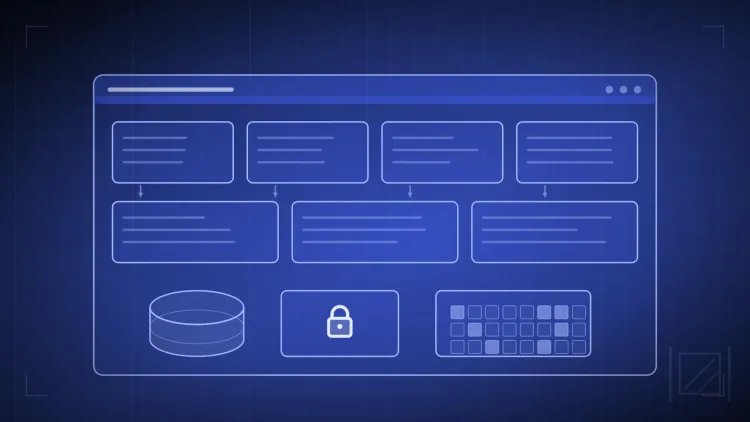
Java Security — The Low-Level details To J2EE Security–And, Beyond
While researching details for a Java Security Manager article, it became obvious that I didn’t understand the mappings of all the different Java, security-related specifications to the technologies and acronyms I knew. Thus, was the beginning of this article. Below each security-related feature in…